
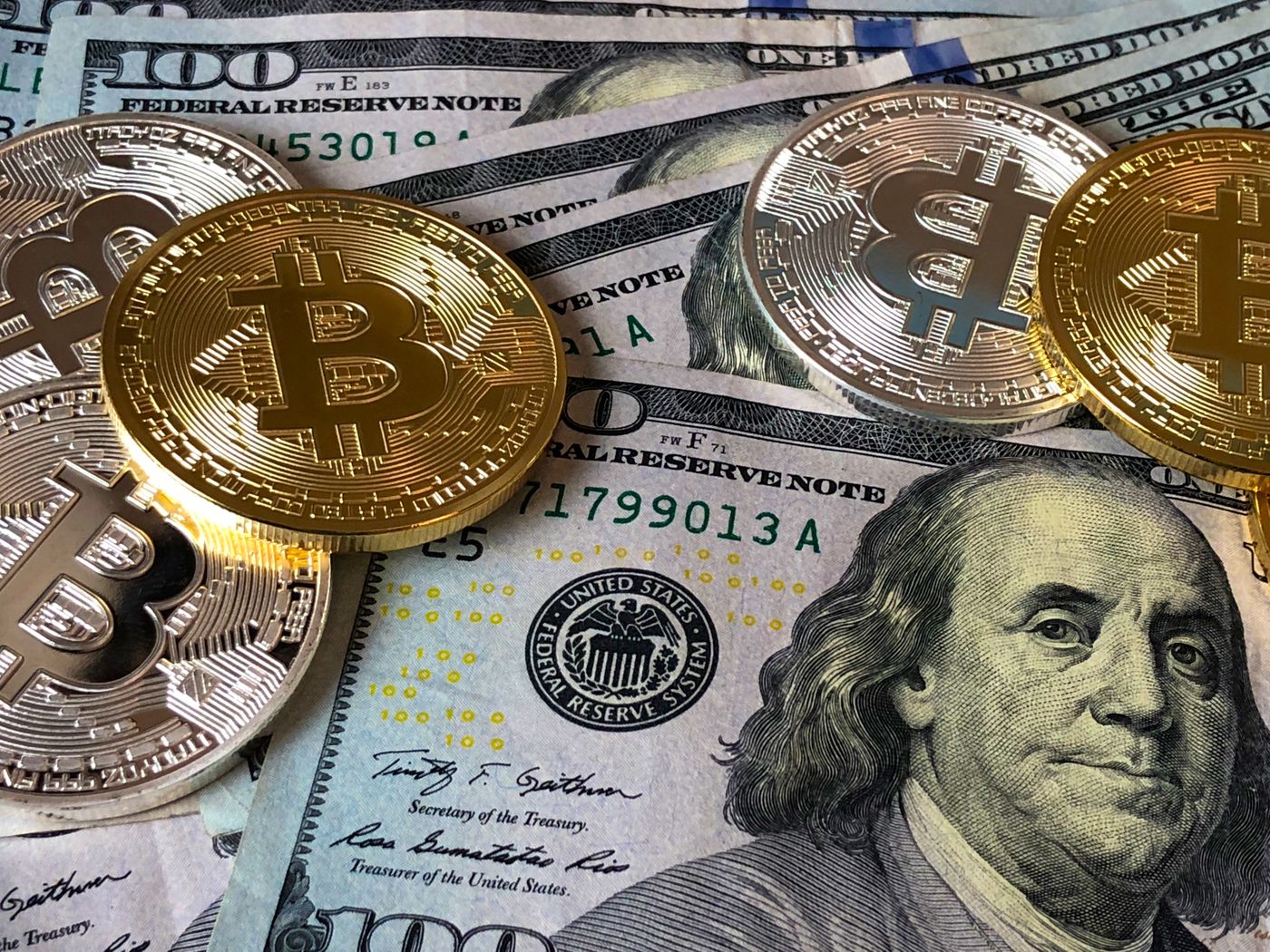
- Custodial wallets can be easier for beginners and are often linked to exchanges or trading platforms
- Self-custody wallets can offer more direct control and are often preferred by users who want to move crypto between apps or hold assets long term
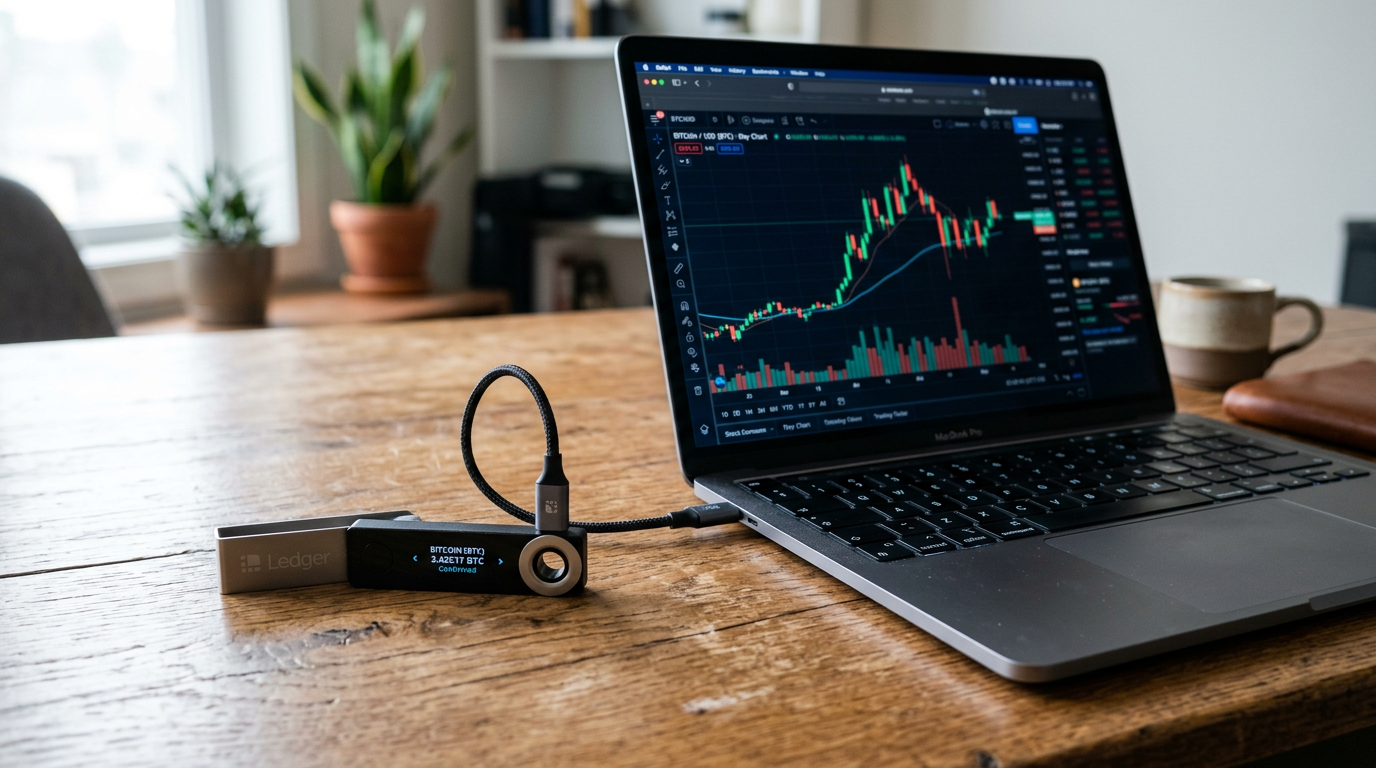
- Hardware wallets are a form of self-custody that store keys offline and are often used for larger balances or long-term holding
If you own crypto, your wallet choice affects more than where your coins are stored. It shapes how quickly you can trade, how easy it is to use apps and exchanges, and how much control you have over your assets.
For many people, the best wallet is not the most feature-packed one — it is the one that matches their habits and comfort level.
→ SocialGood - Crypto Rewards for Shopping - CPS (US) {Mobile} — free, takes about 60 seconds.
Before you choose, it helps to understand the trade-off at the center of every wallet decision: convenience versus control. A wallet that is easy to use may depend on a third party.
A wallet that gives you more control may ask you to manage private keys, recovery phrases, and extra security steps on your own.
Start with the type of wallet you need
The first comparison is simple: custodial versus self-custody . In a custodial wallet, a company holds the keys for you. In a self-custody wallet, you control the keys and are responsible for protecting them.
Each option fits a different type of user:
- Custodial wallets can be easier for beginners and are often linked to exchanges or trading platforms.
- Self-custody wallets can offer more direct control and are often preferred by users who want to move crypto between apps or hold assets long term.
- Hardware wallets are a form of self-custody that store keys offline and are often used for larger balances or long-term holding.
- Mobile and browser wallets are usually more convenient for frequent transactions, but they can be more exposed to device and phishing risks.
We go deeper on this in the full breakdown here — worth a read before you decide anything.
If your main goal is to buy a small amount of crypto and leave it on a platform, a custodial wallet may be enough.
If you plan to send crypto regularly, use decentralized apps, or hold for the long term, self-custody may be worth the extra responsibility.
→ See what you could be approved for — free, takes about 60 seconds.
Compare security features, not just brand names
Security is where wallet comparisons become most important. No wallet is risk-free, so look at the protections it actually offers and the protections it expects you to provide.
Useful security features to look for
- Two-factor authentication for account logins and transfers
- Biometric login on supported devices
- Transaction confirmations before funds leave the wallet
- Backup and recovery tools that are clearly explained
Also pay attention to how the wallet handles recovery. If you lose access, can you restore your funds with a recovery phrase? Does the provider offer account recovery, and if so, what does that process involve?
Sources & further reading
- Consumer Financial Protection Bureau (CFPB)
- Federal Trade Commission — Credit & Debt
- MyMoney.gov — U.S. Financial Literacy
- Internal Revenue Service (IRS)
This article is for general information only and is not professional financial, legal, or medical advice.
Dana Whitfield — Personal Finance Editor
Dana has spent more than a decade writing about consumer debt, credit, and everyday money decisions, translating dense policy and lender fine print into plain-English steps readers can actually use. Every figure here is checked against current federal and lender guidance.
✓ Reviewed for accuracy by Marcus Reed, Accredited Financial Counselor · Updated August 2026


 Posts
Posts


No comments:
Post a Comment