
- Exchange wallet: Your crypto stays on a platform such as a trading exchange
- Software wallet: A mobile, desktop, or browser wallet that you control
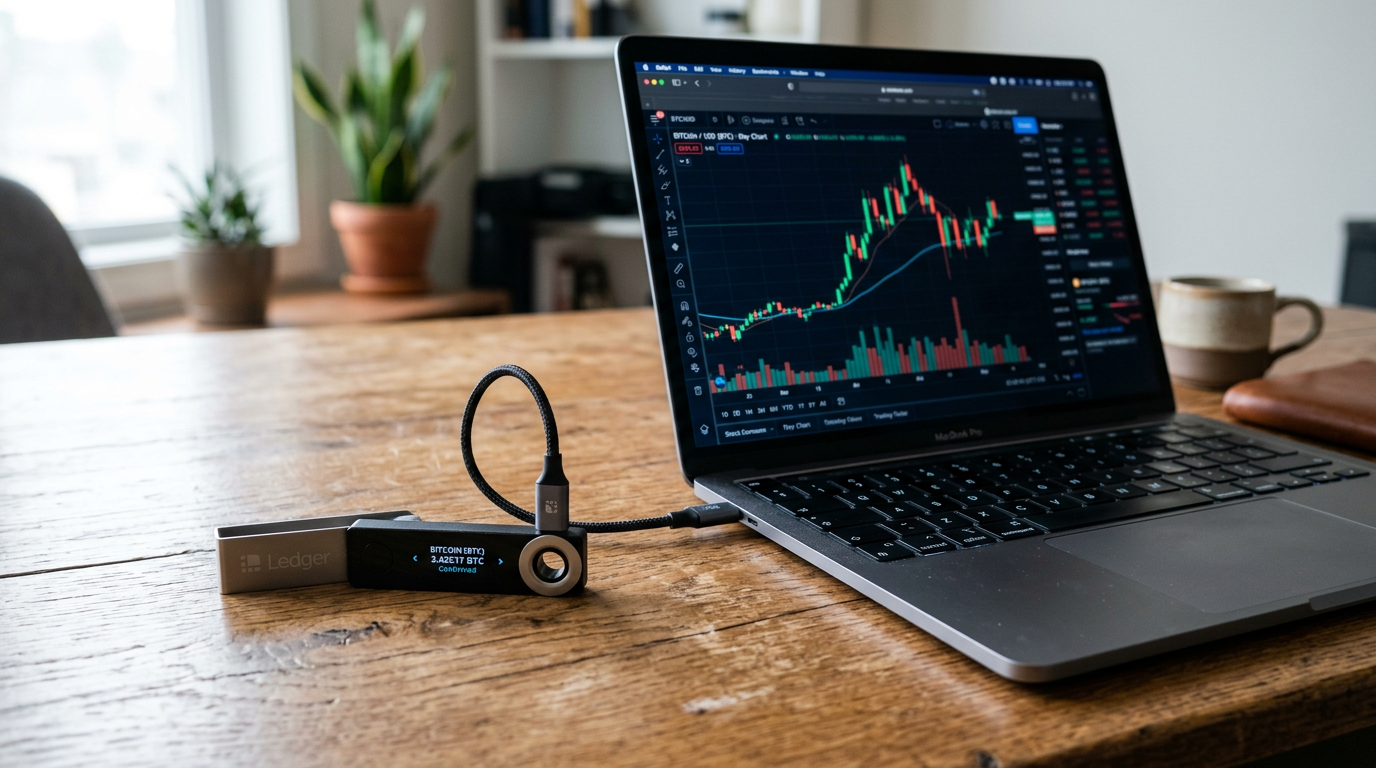
- Hardware wallet: A physical device that keeps private keys offline
If you buy crypto and plan to hold it, one of the first practical questions is where to keep it. ” It depends on how often you trade, how much you hold, and how comfortable you are managing security yourself.
S. readers, the best approach is to match the storage method to the job: keep active trading funds accessible, keep longer-term holdings more protected, and avoid putting all your assets in one place.
→ SocialGood - Crypto Rewards for Shopping - CPS (US) {Mobile} — free, takes about 60 seconds.
Below is a plain-English guide to the main options and what each is good for.
What “storing crypto” actually means
Crypto is stored on the blockchain, but access to it is controlled by private keys. Whoever controls the keys can move the funds.
That is why wallet choice matters so much: it is less about “holding” coins and more about protecting the keys that control them.
There are three common ways everyday users store crypto:
- Exchange wallet: Your crypto stays on a platform such as a trading exchange.
- Software wallet: A mobile, desktop, or browser wallet that you control.
- Hardware wallet: A physical device that keeps private keys offline.
Each option has trade-offs in convenience, control, and risk.
Exchange wallets: easiest, but least control
We go deeper on this in this rundown — worth a read before you decide anything.
An exchange wallet is the simplest option if you buy and sell frequently. You log in, trade, and leave funds on the platform. That convenience is the main reason many beginners start here.
The drawback is that you do not directly control the private keys. If the exchange has an outage, limits withdrawals, or suffers a security problem, you may face delays or exposure.
→ See what you could be approved for — free, takes about 60 seconds.
That does not mean every exchange is unsafe, but it does mean you are trusting a third party with custody.
Exchange storage can make sense when you:
- Trade often and want quick access to funds
- Plan to move crypto out later, but not immediately
- Prefer a simpler setup over self-custody
Even then, it is wise not to leave more on an exchange than you need for near-term use.
Software wallets: a middle ground for active users
Software wallets give you more control than an exchange while staying relatively easy to use. They can be useful for sending crypto, using decentralized apps, or keeping moderate amounts in a wallet you manage yourself.
Because software wallets live on internet-connected devices, they are more exposed to phishing, malware, and fake wallet apps. The wallet itself may be legitimate, but the user is often the weakest link. A stolen password or a bad approval click can create problems fast.
Sources & further reading
- Consumer Financial Protection Bureau (CFPB)
- Federal Trade Commission — Credit & Debt
- MyMoney.gov — U.S. Financial Literacy
- Internal Revenue Service (IRS)
This article is for general information only and is not professional financial, legal, or medical advice.
Dana Whitfield — Personal Finance Editor
Dana has spent more than a decade writing about consumer debt, credit, and everyday money decisions, translating dense policy and lender fine print into plain-English steps readers can actually use. Every figure here is checked against current federal and lender guidance.
✓ Reviewed for accuracy by Marcus Reed, Accredited Financial Counselor · Updated August 2026


 Posts
Posts


No comments:
Post a Comment