
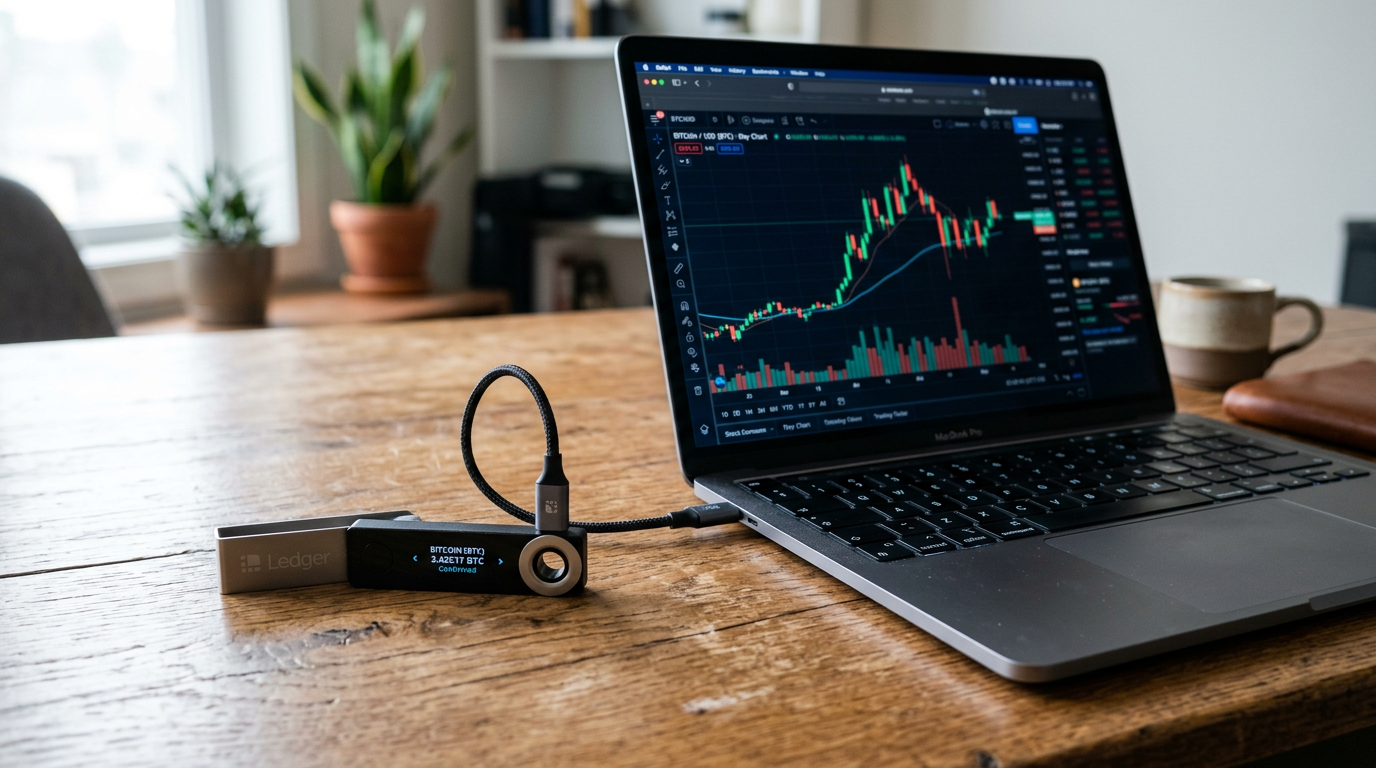
- Do I want to buy and hold, or trade often?
- Do I need a simple app or advanced charts and order types?
- Will I pay with a bank transfer, debit card, or another method?
If you’re buying crypto for the first time, the exchange you choose matters as much as the coins you buy. Fees, security tools, payment methods, and even the app experience can all affect how easy—and how costly—it is to get started.
The best exchange is not always the cheapest one or the one with the most coins; it’s the one that fits your goals and comfort level.
→ SocialGood - Crypto Rewards for Shopping - CPS (US) {Mobile} — free, takes about 60 seconds.
Start with what you actually want to do
Before comparing platforms, decide how you plan to use one. A casual buyer who wants to purchase bitcoin once a month has different needs from someone who wants to trade frequently or move assets into a wallet right away.
Ask yourself a few basic questions:
- Do I want to buy and hold, or trade often?
- Do I need a simple app or advanced charts and order types?
- Will I pay with a bank transfer, debit card, or another method?
- Do I care more about low fees, strong security, or a wide selection of coins?
These answers help narrow the field quickly. Many exchanges look similar at first glance, but the right fit often depends on how hands-on you plan to be.
We go deeper on this in what to look at first — worth a read before you decide anything.
Compare the fee structure, not just the headline rate
Crypto exchanges often advertise low fees, but the real cost can depend on how you fund the account and how you place the order. For example, a platform may charge one fee for bank transfers and a different one for debit card purchases.
→ See what you could be approved for — free, takes about 60 seconds.
Trading fees can also vary based on whether you place a simple buy order or use a more advanced order type.
Look for the full picture:
- Deposit and withdrawal fees: Some methods cost more than others.
- Trading fees: Check both maker and taker fees if you plan to trade actively.
- Spread: The difference between the buy and sell price can add to your cost even when the posted fee looks low.
- Network fees: Moving crypto off the platform may involve blockchain fees that change with network activity.
A platform that looks inexpensive on paper may end up costing more if its spreads are wider or if it charges extra for common funding methods. Read the fee schedule carefully, and look for details on the exact transaction types you expect to use.
Security should be a top priority
Sources & further reading
- Consumer Financial Protection Bureau (CFPB)
- Federal Trade Commission — Credit & Debt
- MyMoney.gov — U.S. Financial Literacy
- Internal Revenue Service (IRS)
This article is for general information only and is not professional financial, legal, or medical advice.
Dana Whitfield — Personal Finance Editor
Dana has spent more than a decade writing about consumer debt, credit, and everyday money decisions, translating dense policy and lender fine print into plain-English steps readers can actually use. Every figure here is checked against current federal and lender guidance.
✓ Reviewed for accuracy by Marcus Reed, Accredited Financial Counselor · Updated August 2026


 Posts
Posts


No comments:
Post a Comment