
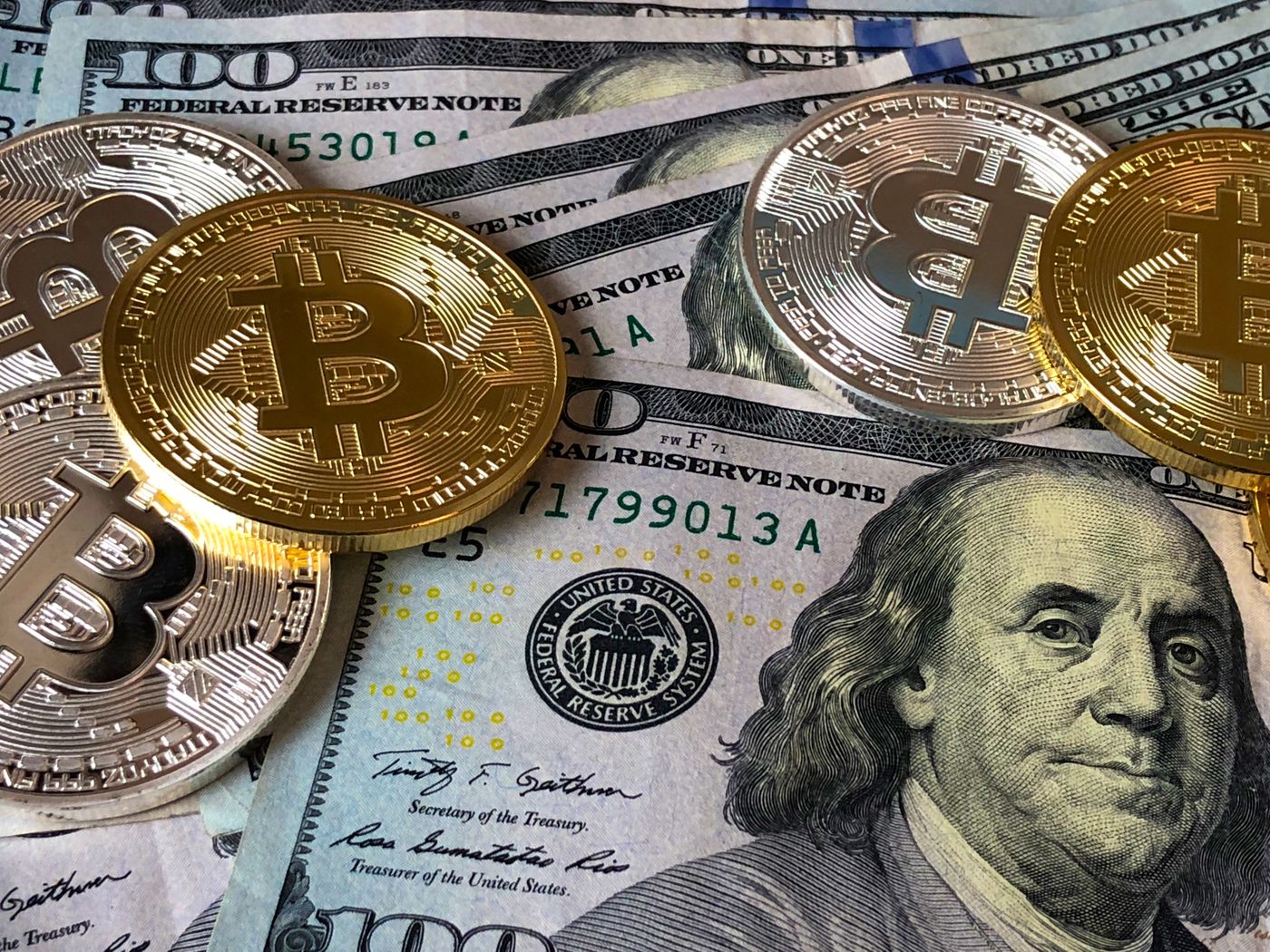
- Custodial wallets : A third party, often an exchange, manages the keys for you
- Noncustodial wallets : You control the keys and are responsible for backup and recovery
- Hot wallets : Connected to the internet, usually through an app or browser extension
Choosing a crypto wallet is less about finding the “best” wallet and more about matching the wallet to how you actually use crypto.
If you plan to trade often, send payments, or hold long-term, the right setup can make a real difference in convenience and security. The main question is simple: do you want easier access, stronger control, or a balance of both?
→ SocialGood - Crypto Rewards for Shopping - CPS (US) {Mobile} — free, takes about 60 seconds.
, the confusion starts with the word wallet . A crypto wallet usually does not store coins the way a physical wallet stores cash. Instead, it helps manage the keys that let you access assets on a blockchain.
That means your choice affects how you sign transactions, recover access, and protect funds from mistakes or theft.
Start with the four main wallet types
The first step is understanding the basic categories. Each has trade-offs, and none is ideal for every situation.
- Custodial wallets : A third party, often an exchange, manages the keys for you.
- Noncustodial wallets : You control the keys and are responsible for backup and recovery.
- Hot wallets : Connected to the internet, usually through an app or browser extension.
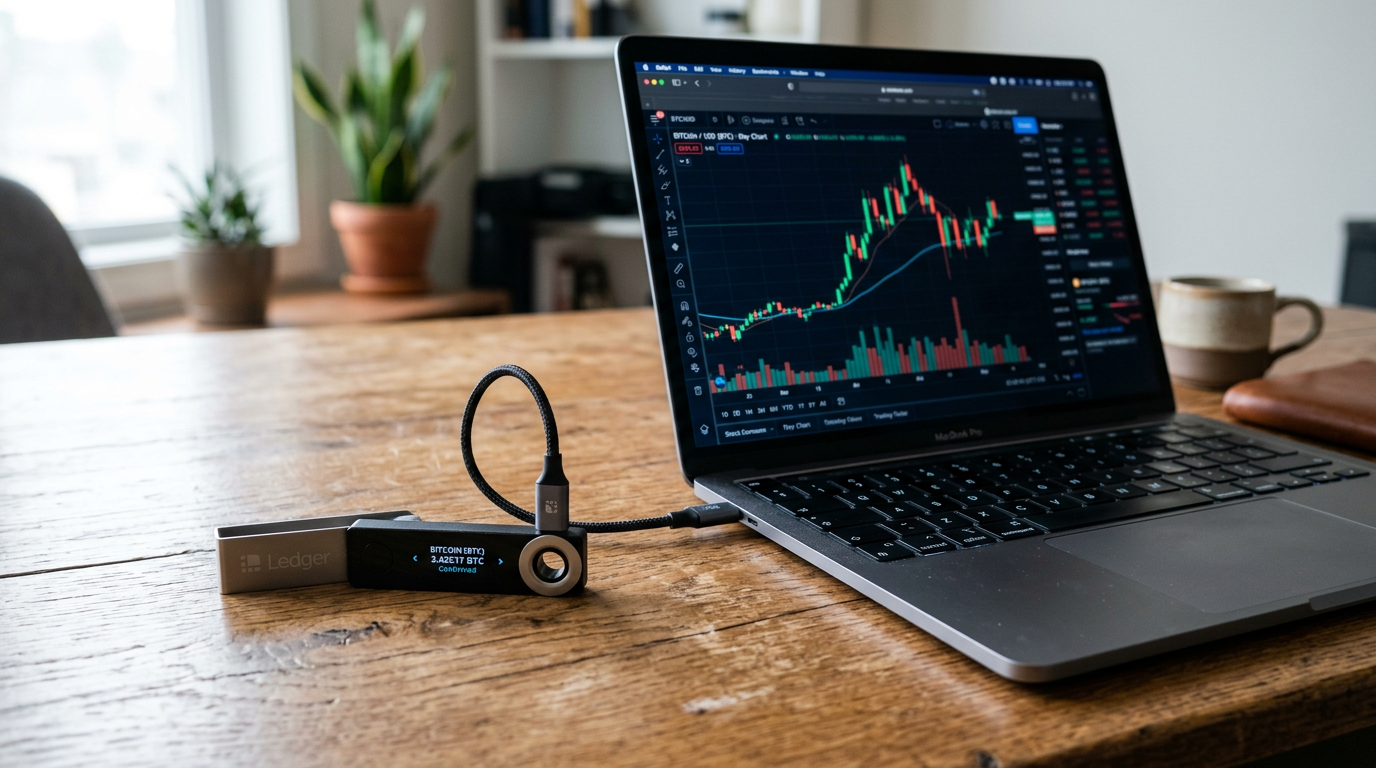
- Cold wallets : Kept offline or used in a way that minimizes online exposure, often hardware wallets.
We go deeper on this in our crypto guide — worth a read before you decide anything.
A custodial wallet may feel easier because password resets and account recovery are more familiar. A noncustodial wallet gives you more control, but that control comes with more responsibility.
If you lose your recovery phrase and there is no backup, access can be difficult or impossible to restore. That is why many people use a mix of wallet types rather than relying on one option for everything.
→ See what you could be approved for — free, takes about 60 seconds.
Match the wallet to your everyday use
The best wallet for a frequent trader is usually not the same as the best wallet for someone who plans to hold Bitcoin for years. Think through your habits first.
If you trade or move crypto often
A hot wallet can be practical because it is quick to use and easy to connect to exchanges and apps. This convenience matters if you make regular transfers, use decentralized apps, or need to react to market changes.
The trade-off is that anything online carries more risk than an offline setup.
Sources & further reading
- Consumer Financial Protection Bureau (CFPB)
- Federal Trade Commission — Credit & Debt
- MyMoney.gov — U.S. Financial Literacy
- Internal Revenue Service (IRS)
This article is for general information only and is not professional financial, legal, or medical advice.
Dana Whitfield — Personal Finance Editor
Dana has spent more than a decade writing about consumer debt, credit, and everyday money decisions, translating dense policy and lender fine print into plain-English steps readers can actually use. Every figure here is checked against current federal and lender guidance.
✓ Reviewed for accuracy by Marcus Reed, Accredited Financial Counselor · Updated August 2026


 Posts
Posts


No comments:
Post a Comment